Let’s play a quick game. Picture the scariest cybersecurity threat you can imagine. What did you picture? Probably some hooded figure in a dark room, typing furiously while green code scrolls down three monitors. Maybe a shadowy group with a cool name, breaking into a billion-dollar company’s vault of secrets using some genius piece of malware.
Here’s the twist: that’s not actually how most companies get hacked.
Most of the time, the “attack” doesn’t look like a movie at all. It looks like Dave from accounting clicking a link in an email because he was in a hurry. It looks like someone using “Password123” because it was easy to remember. It looks like a tired employee at 4:45 on a Friday plugging a random USB stick into their work laptop just to see what’s on it.
Humans, not hackers, are usually the weakest link. And once you understand why, you can actually start fixing it.
The Uncomfortable Truth About “Human Error”
Companies spend a fortune on security software. Firewalls, antivirus programs, encryption, fancy monitoring systems — the works. And all of that stuff genuinely helps. But here’s the problem: none of it matters much if an employee just hands a hacker the keys to the building.
According to the Verizon 2025 Data Breach Investigations Report, 60% of data breaches involve some kind of human error. That’s not a typo. The majority of security disasters trace back to a person doing something they didn’t realize was risky.
Think about that for a second. Companies are buying multi-million dollar security systems to protect against a threat that mostly walks in through the front door, wearing an employee badge.
Why Are Humans So “Hackable”?
It’s not because people are dumb. It’s because people are, well, people. We’re wired with habits and instincts that made total sense for surviving in the wild thousands of years ago, but make us easy targets in an office full of computers.
We trust authority. If an email looks like it’s from the CEO, we want to help. Scammers know this, which is why “urgent message from the boss” scams work so well.
We’re busy and distracted. Nobody reads every email super carefully when they’ve got 40 unread messages and a meeting in five minutes. Attackers count on that rush.
We hate friction. Strong, unique passwords for every single account? Exhausting. So people reuse the same password everywhere, which means one leaked password can unlock dozens of accounts.
We’re curious. A USB drive labeled “Salary Info – Confidential” sitting in the parking lot is basically irresistible. Yes, this is a real trick hackers use, and yes, it works embarrassingly often.
None of this makes someone careless or incompetent. It makes them human. The problem is that cybercriminals know exactly how human brains work, and they design their attacks specifically to exploit it.
Meet the Usual Suspects
A few human-driven security risks show up again and again:
Phishing emails. Fake emails designed to trick someone into clicking a bad link, downloading malware, or typing their password into a fake login page. These have gotten incredibly convincing — some look identical to real emails from your bank, your boss, or even IT itself.
Weak or recycled passwords. “123456” is still one of the most common passwords on Earth. Even smart, careful people reuse passwords because remembering 50 different ones feels impossible.
Oversharing on social media. Posting “First day at my new job at [Company]!” feels harmless, but it can give attackers exactly what they need to craft a believable scam targeting that company.
Skipping software updates. Those annoying “update available” pop-ups exist because they patch security holes. Hitting “remind me later” forever leaves the door wide open.
Misconfigured settings. Sometimes the danger isn’t malicious at all — it’s just someone accidentally setting a company file to “public” instead of “private,” which has leaked sensitive data more times than you’d think.
So What Actually Helps?
Here’s the good news: since people are the problem, people can also be the solution. It just requires a different approach than “buy more software.”
Make training feel real, not boring. Nobody learns anything from a once-a-year slideshow nobody reads. Short, regular, realistic examples (like fake phishing test emails) stick way better than a 45-slide PowerPoint.
Use password managers. Instead of asking humans to remember 50 strong passwords, take that job off their plate entirely with a tool that does it for them.
Add multi-factor authentication (MFA). Even if someone’s password does get stolen, MFA means the attacker still needs a second piece of proof, like a code sent to a phone. It’s one of the single best protections out there.
Build a no-blame culture. If employees are terrified of getting in trouble for clicking a bad link, they’ll hide it instead of reporting it, and that delay can turn a small problem into a massive one. The companies that handle this best treat mistakes as “let’s fix this together” instead of “you’re fired.”
Reduce unnecessary access. Not every employee needs access to every system. Limiting who can reach sensitive data limits how much damage one mistake can cause.
The Bottom Line
Technology can build incredibly strong walls. But people open the doors. The companies that handle security well aren’t necessarily the ones with the most expensive software, they’re the ones who understand that humans are part of the system too, complete with all our distractions, habits, and blind spots.
You can’t code away human nature. But you can build a workplace that expects it, plans for it, and makes the safe choice the easy choice. That’s not a tech problem. That’s a people problem, and honestly, those tend to be solvable.
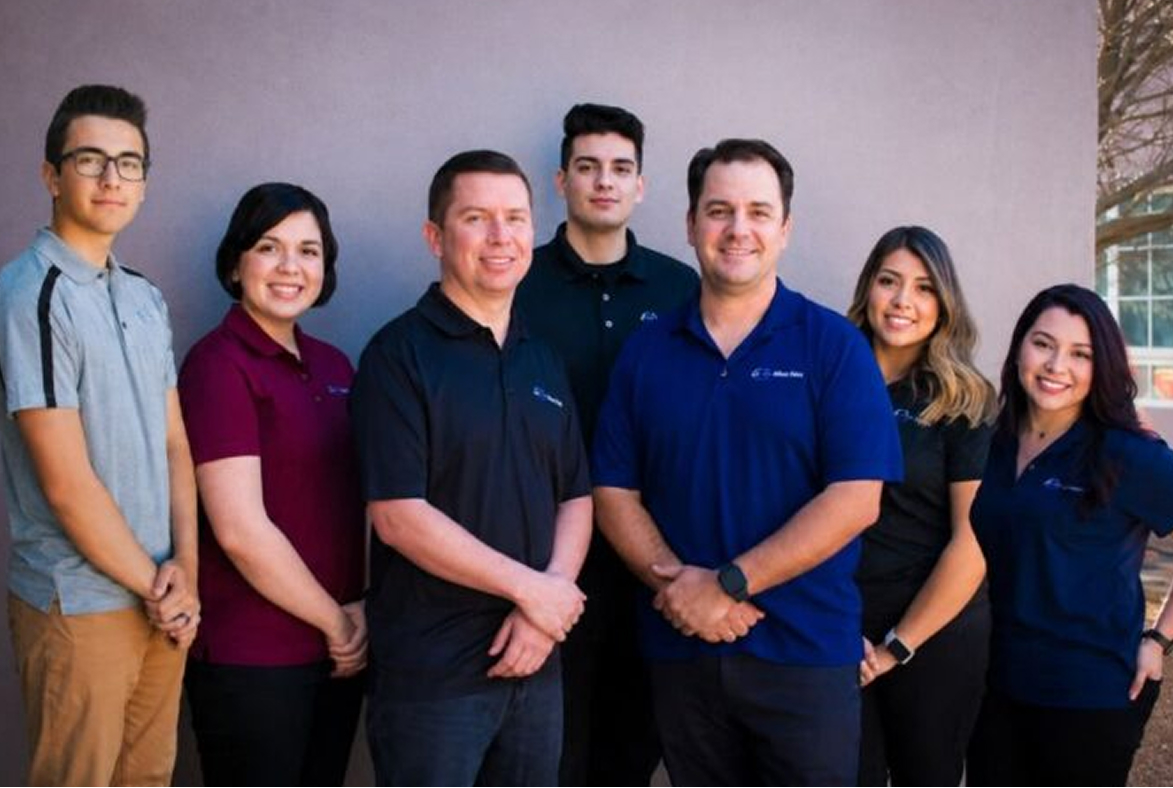
That’s where Zia Networks comes in. We help businesses close the human gap in their security with practical, ongoing solutions, not just one-time fixes. From setting up smart security practices like multi-factor authentication and password management, to running regular, engaging cybersecurity training that every employee actually pays attention to, we make sure your team becomes your strongest line of defense instead of your biggest risk. Because the safest companies aren’t the ones who never make mistakes, they’re the ones who are prepared for them.