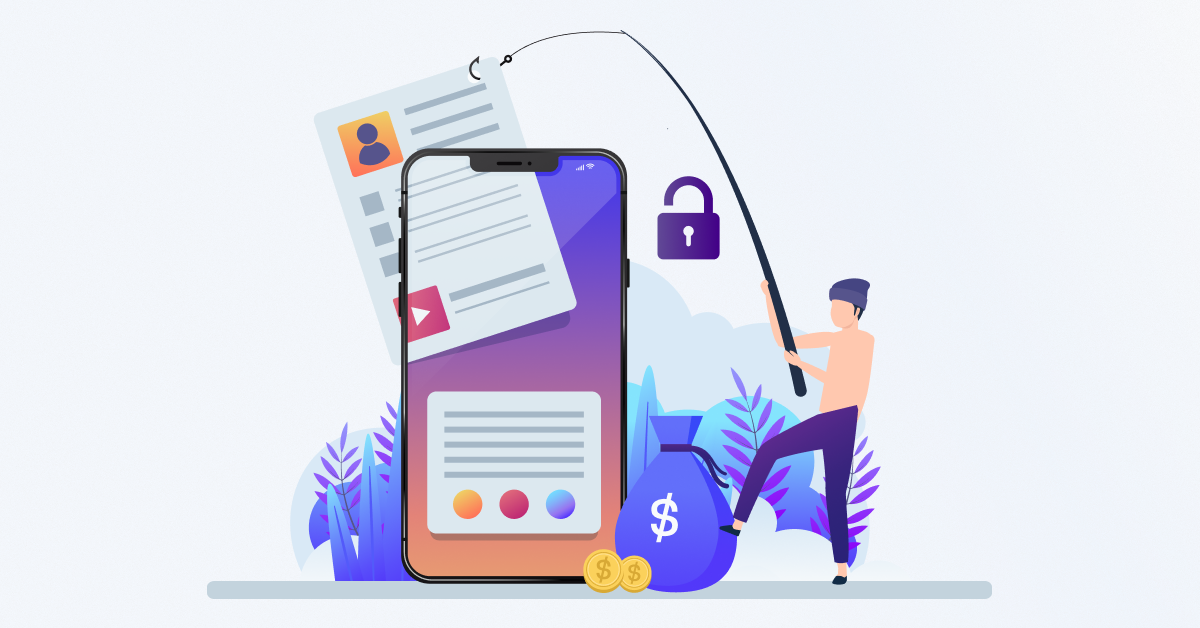
Spring means one thing for accounting firms: long hours, back-to-back deadlines, and inboxes overflowing with client documents. It’s chaos, but it’s manageable chaos — the kind your team knows how to handle. What’s harder to handle is the fact that scammers are watching that same chaos and waiting for their moment. Every year between January and April, tax season phishing scams surge, and accounting firms consistently end up on the receiving end.
At ZIA Networks, we’ve seen firsthand how a single rushed click during your busiest week can undo months of careful work. So let’s walk through how these scams actually operate, the red flags worth slowing down for, and what your firm can do to stay a step ahead this season.
Why Tax Season Is a Prime Target for Cybercriminals?
Scammers know accounting firms handle sensitive financial data, and they know staff is busiest exactly when mistakes are most likely to happen. That combination makes tax season phishing scams especially effective this time of year.
Why Do Accounting Firms Face Higher Risk During Tax Season?
Accounting firms manage Social Security numbers, bank details, and client tax records all in one place. A single successful attack can expose hundreds of client files at once, which makes firms far more attractive than individual targets.
Common Tactics Used by Tax Scammers
Attackers rely on urgency, familiarity, and distraction. They impersonate the IRS, a client, or even a colleague, hoping a rushed employee won’t stop to double-check before clicking.
What Is a Tax Season Phishing Scam?
A tax season phishing scam is a fraudulent email, text, or website designed to trick accounting staff or clients into revealing sensitive information or downloading malware, all disguised as routine tax-related communication.
How Phishing Attacks Work
Most attacks follow a simple pattern: a convincing message arrives, it creates urgency, and it asks the recipient to click a link, open an attachment, or share login credentials. Once clicked, the damage often happens within minutes.
Why Choose ZIA Networks for Managed Cybersecurity Services
Accounting firms choose ZIA Networks because we understand that stopping tax season phishing scams takes more than generic antivirus software and a hope-for-the-best attitude. We build our protection around how your firm actually operates during its busiest months.
Here’s what sets us apart:
- We know tax season, not just cybersecurity. We work with accounting firms year-round, so by the time January hits, we already understand your workflows, your client communication patterns, and where the real risk points are.
- 24/7 monitoring, not just business-hours coverage. Tax preparer data theft don’t wait for office hours, and neither do we. Suspicious activity gets flagged and addressed immediately, day or night.
- A layered defence that actually talks to each other. Email filtering, endpoint protection, and MFA enforcement work together as one system, not as disconnected tools you’re left to manage on your own.
- A real person answers when something looks wrong. No ticket queues, no waiting. You get a team that already knows your firm and can act fast.
- Proactive, not reactive. We help you catch tax season phishing scams before they reach an inbox, instead of cleaning up after one gets through.
W-2 phishing scams are getting harder to spot, but your firm’s defence shouldn’t be. ZIA Networks gives accounting firms the monitoring, tools, and hands-on support needed to stay protected when it matters most, so your team can focus on clients instead of watching their inbox nervously.
Most Common Tax Season Phishing Scams Targeting Accounting Firms
Tax season phishing scams are constantly evolving, and knowing the most common tactics can help your accounting firm spot suspicious emails, protect client data, and prevent costly cyberattacks.
Fake IRS or Tax Authority Emails
These messages mimic official IRS branding and often threaten penalties or promise refunds to pressure quick action.
Business Email Compromise (BEC) Attacks
Scammers hijack or spoof an executive’s email account to request urgent wire transfers or W-2 data from finance staff.
Fake Client Document Requests
Cybercriminals often exploit trust by impersonating clients. What looks like a routine email could be an attempt to deliver malware or intercept
Malware Hidden in Tax Attachments
PDFs and spreadsheets labelled as “W-2,” “1099,” or “invoice” can carry hidden malicious code that activates on download.
Credential Theft Through Fake Login Pages
Cloned portals that look identical to tax software or email logins are used to harvest usernames and passwords in real time.
Cloud Storage and File-Sharing Scams
Fake sharing notifications from services like Google Drive or Dropbox lure users into entering credentials on spoofed pages.
Warning Signs of a Tax Phishing Email
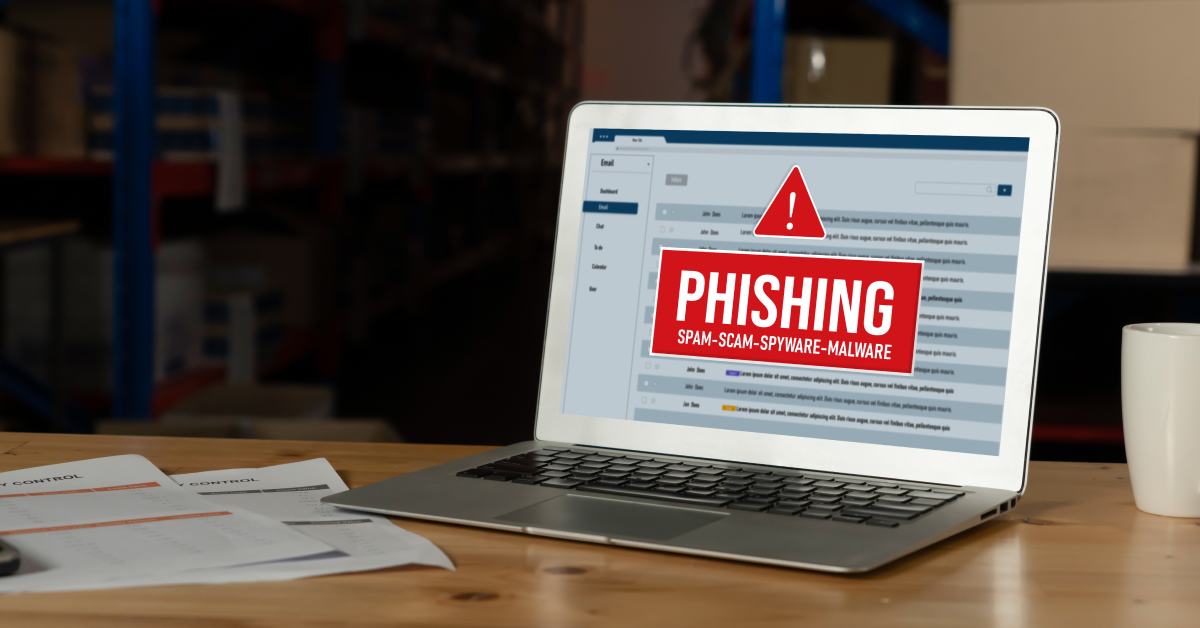
Tax phishing emails often look genuine, but a few warning signs can reveal the scam. Knowing what to look for can help your accounting firm protect sensitive client information and avoid costly security risks. After recognising the tell-tale signs, most phishing e-mails have a few common characteristics.
Suspicious Sender Addresses
Pay great attention to the domain rather than merely the display name. A single altered letter can turn a trusted address into a fake one.
Urgent Requests for Sensitive Information
If an email is pushing you to act right now — especially when it involves money or personal data — slow down. Real agencies and real clients rarely operate that way over email alone.
Unexpected Attachments or Links
Didn’t ask for it? Weren’t expecting it? Give it a second look before you click, even if the sender’s name looks familiar.
Grammar Mistakes and Fake Branding
Even in cases where the fraud is generally well-constructed, little irregularities like a slightly off logo, somewhat stiff writing, or inconsistent formatting are frequently the only indicators you’ll find.
How Phishing Scams Impact Accounting Firms
A successful phishing attack can do more than steal data—it can disrupt your business, put client information at risk, and lead to financial and reputational damage. The first step to improved protection is being aware of these threats.
Financial Losses
Fraudulent wire transfers and ransom payments can cost firms thousands of dollars, sometimes with no way to recover the funds.
Client Data Breaches
If client Social Security numbers or bank details get exposed, you’re not just dealing with the breach itself — you’re looking at costly notification requirements and a reputation hit that can follow your firm for years.
Regulatory and Compliance Risks
When client data leaks because of an attack that could’ve been prevented, regulators tend to notice. That can mean fines, audits, or a level of scrutiny no firm wants.
Damage to Client Trust
Clients hand over their most sensitive financial information because they trust your firm to protect it. One breach, and that trust is hard to earn back — sometimes impossible.
How to Protect Your Accounting Firm from Tax Season Phishing Scams
The easiest way to avoid tax season phishing fraud is to prevent it from occurring in the first place. Your accounting firm should apply a few simple cybersecurity strategies that will help safeguard client information, lower security risks and ensure your everyday operations are carried out without a hitch.
Train Employees to Recognise Phishing Attempts
A few little training sessions here and there are quite beneficial. Staff stay sharp on the latest tricks without it ever feeling like a disruption to their day.
Enable Multi-Factor Authentication (MFA)
Even if a password ends up in the wrong hands, MFA gives you a second line of defence that can stop an attacker cold.
Verify Client Requests Before Responding
When a request feels even slightly off, pick up the phone. One quick call can save your firm from a very expensive mistake.
Keep Software and Security Tools Updated
Outdated systems are one of the easiest entry points for attackers, so patching promptly matters.
Use Advanced Email Security Solutions
Investing in the best cybersecurity software for accounting firms helps filter out threats before they ever reach an inbox.
How to Create a Phishing Response Plan
Having a plan in place before an incident happens makes all the difference in how quickly your firm recovers.
Steps to Take After a Suspicious Email
Don’t click, don’t reply, and isolate the message. Report it internally right away so IT can assess the risk.
Reporting the Incident
Notify your IT provider, and if client data may be involved, follow your firm’s breach notification protocol immediately.
Recovering from a Phishing Attack
Change compromised credentials, scan affected devices, and review what allowed the attack to succeed in the first place.
Cybersecurity Checklist for Accounting Firms During Tax Season
A simple cybersecurity checklist can help accounting firms spot tax season phishing scams early, protect sensitive client data, and reduce the risk of costly cyberattacks during the busiest time of the year.
Daily Security Practices
Verify sender addresses, avoid unfamiliar attachments, and report anything that feels off, even if it turns out to be nothing.
Weekly IT Security Reviews
Review login activity, check for unusual access patterns, & confirm backups are running as expected.
Client Communication Security Tips
Use secure client portals instead of email for sensitive documents whenever possible.
Emerging Phishing Trends Accounting Firms Should Watch in 2026
Phishing scams are becoming more and more authentic. These attacks can be increasingly difficult to detect, especially when using AI-generated emails or fake login screens. Familiarising themselves with these trends can help accounting firms protect their clients’ sensitive data.
AI-Generated Phishing Emails
AI tools now help attackers write flawless, personalised emails that are far harder to spot than the phishing attempts of a few years ago.
Deepfake Voice and Video Scams
Fraudsters are using AI-generated voice clips to impersonate executives during urgent payment requests over the phone.
QR Code (Quishing) Attacks
Malicious QR codes embedded in emails redirect victims to fake login pages, bypassing traditional link-scanning tools.
Smishing and Mobile-Based Phishing
Text-based scams are on the rise, often impersonating the IRS or tax software providers with links to fake portals.
Final Thoughts
Phishing scams during tax season are still prevalent and are just becoming more convincing. The firms that stay protected are the ones that train their teams, verify before they trust, and invest in the right security tools ahead of time. Your company may avoid a costly breach later by being vigilant today.
FAQs
1. How do phishing scams target accounting firms?
A: They typically impersonate the IRS, clients, or firm executives to trick staff into sharing data, sending payments, or downloading malware.
2. What should employees do after receiving a suspicious tax email?
A: Avoid clicking anything, report it to IT immediately, and wait for confirmation before taking any further action.
3. Can phishing attacks steal client tax records?
A: Yes. A single compromised login can expose client Social Security numbers, bank details, and full tax filings.
4. How can accounting firms reduce phishing risks?
A: A mix of employee training, MFA, verified client communication, and phishing protection services for CPAs significantly lowers the risk.
5. What Are the Best Cybersecurity Tools to Protect Your Business During Tax Season?
A: Advanced email filtering, endpoint protection, and guidance aligned with the IRS Security Summit tax professionals’ recommendations offer strong, layered defence.
Partner with ZIA Networks for Reliable Cybersecurity
Searching for managed security services near me that actually understand the pressure of tax season? ZIA Networks works alongside accounting firms year-round, not just during the busy season, to build defences that hold up against evolving threats. From proactive monitoring to rapid incident response, ZIA Networks gives your firm the peace of mind to focus on clients instead of cyber risk.