What is Ransomware — And Why Should You Care?
Knowing how to protect from ransomware starts with understanding what you’re up against. Ransomware is a type of cyberattack where criminals break into your computer, lock up all your files, and then demand money to give them back. Think of it like a digital kidnapping — except instead of a person, they’re holding your data hostage.
And if you don’t pay? They’ll threaten to delete everything or post your private information online for the world to see. At Zia Networks, we help small businesses stay one step ahead before it ever gets to that point.
It’s Closer to Home Than You Think
You might have heard about ransomware hitting big companies or government agencies, but did you know it’s hit businesses right here in New Mexico? Hospitals, government offices, and public schools in Albuquerque and Santa Fe have all been targeted. In April 2024, New Mexico Highlands University was attacked — and while their private data was safe, employees didn’t get paid on time and classes were delayed.
Small Businesses Are Actually the Favorite Target
Here’s a common misconception: a lot of business owners think, “I’m too small — why would hackers bother with me?” But that’s actually backwards. Cybercriminals love small and medium-sized businesses because they’re easier to attack and owners are more likely to just pay up to get their data back.
Most small business attacks never even make the news. That doesn’t mean they aren’t happening constantly.
In 2023 alone, ransomware victims paid over $1 billion in ransoms — the highest amount ever recorded.
So What Does an Attack Actually Look Like?
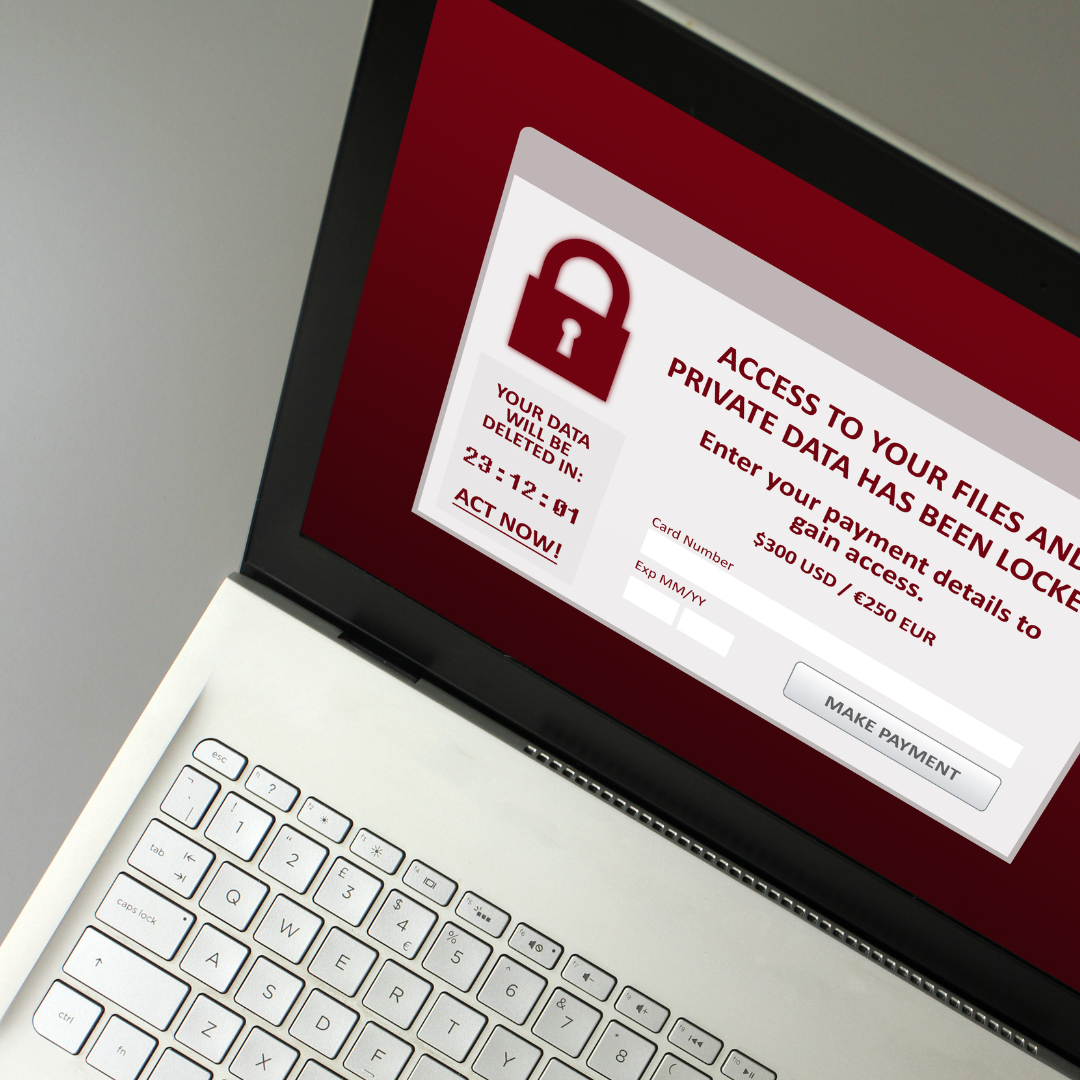
Picture this: you’re sitting at your desk, and suddenly a message pops up on your screen. Your files are locked. A countdown timer is ticking. Criminals are demanding thousands of dollars, and they’re threatening to release your private data if you don’t pay fast.
They may even offer you two “options” to make you feel like you’re in control:
- Pay to delay the release of your stolen data
- Pay to have your data deleted before it goes public
Spoiler: neither option is a good deal.
Should You Just Pay the Ransom?
It’s tempting to think paying will make the problem go away — but it usually doesn’t. Here’s why paying is a bad idea:
- There’s no guarantee you’ll actually get your data back
- You might get hit with more demands down the road
- You’re basically telling criminals their tactics work, which encourages more attacks
Instead, report the attack to your IT security company right away, try restoring from backups, and look into decryption tools that might unlock your files for free.
How to Protect Yourself Before It Happens
The best move is to never get attacked in the first place. Here’s how to stay protected:
Keep your software updated. Hackers love outdated software because it has known weaknesses. Stay current with updates and security patches.
Use good antivirus software. Not all antivirus programs are equal — don’t just grab whatever’s cheapest. Make sure it actually fits your needs.
Back up your files regularly. If your data is safely backed up somewhere else, a ransomware attack loses most of its power. Make sure those backups are stored securely and test them regularly.
Use multi-factor authentication (MFA). This adds an extra layer of security to your accounts so that even if someone gets your password, they still can’t get in.
Train your employees. A lot of ransomware sneaks in through phishing emails — fake messages designed to trick people into clicking a bad link. Teaching your team what to watch for can stop an attack before it starts.
Limit who has access to what. Not everyone needs access to everything. Give employees only the access they need to do their job.
Have a plan. If an attack does happen, know exactly what steps to take. Who do you call? What do you do first? Having a response plan ready can make a huge difference.
You Don’t Have to Figure This Out Alone
Cybersecurity can feel overwhelming, but you don’t have to handle it by yourself. Zia Networks helps businesses set up strong defenses against ransomware — think firewalls, security software, employee training, and regular updates. And if you ever do get hit, we’re here to help you respond quickly, recover your data, and make sure it doesn’t happen again.
Reach out to Zia Networks today to make sure your business is protected.